


Hearing aids
Hearing aids tailored to your hearing, your lifestyle, and your budget
Why wear hearing aids?
The benefits of hearing aids in everyday life
Hearing aid models
In-ear hearing aid models
How to choose your hearing aids
The paying agencies
The steps to obtain your hearing aids
Answers to your questions about hearing aids
Why wear hearing aids?
Hearing aids can make a real difference in everyday life. They can help you understand conversations better, hear more easily in different environments, and regain greater comfort communicating with loved ones, at work, and in social activities.
Modern hearing aids are also more efficient, more comfortable, and more discreet than before. Depending on the model, they may offer options such as Bluetooth connectivity, charging, and various settings to suit your lifestyle.
The benefits of hearing aids in everyday life
Better understanding speech in noise
Hearing aids can help improve speech understanding in noisy environments, including restaurants, meetings, family gatherings, and other noisier settings.
Better TV Hearing
When the television volume increases or it becomes difficult to follow the dialogue, hearing aids can improve listening comfort at home.
Reduce listening effort
When you have to concentrate harder to hear, listening can become tiring. Hearing aids can help make conversations easier and less demanding.
Do less repeating
Many people seek hearing aids because they feel they often have to ask people to repeat themselves. These devices can help restore smoother and more natural conversations in everyday life.
Improving daily communication
Hearing aids can help to better understand conversations with loved ones, at work and in social activities.
Helping to better manage certain types of tinnitus
For some people, hearing aids can help reduce the perception of tinnitus, such as whistling or ringing in the ears, depending on the hearing situation.
The main models of hearing aids
There are different models of hearing aids, and each has its advantages depending on the type of hearing loss, the shape of the ear, the dexterity and the preferences of the patient.
In-ear hearing aids
In-the-ear hearing aids are designed to fit directly inside the ear. They are often chosen by people looking for a more discreet and compact hearing aid. Depending on the model, they can be suitable for different types of hearing loss and cater to specific preferences regarding comfort, aesthetics, and ease of use.
RITE Hearing Aids
RITE hearing aids are among the most popular models. They are appreciated for their good balance between discretion, comfort, and performance. In this type of hearing aid, a small part sits behind the ear, while the receiver is located inside the ear, which often allows for natural hearing and comfortable everyday wear.
BTE Hearing Aids
Behind-the-ear (BTE) hearing aids are worn behind the ear and can be an excellent option in certain situations. They are sometimes chosen for their ease of use, comfort, and stability. For some people, this type of hearing aid can represent a simple and effective solution for everyday life.
The different models of in-ear hearing aids
There are several types of in-the-ear hearing aids. These models differ primarily in size, placement in the ear, discretion, and available options. The right choice always depends on your hearing, the shape of your ear, your dexterity, and your personal preferences.
IIC - Invisible in the conduit
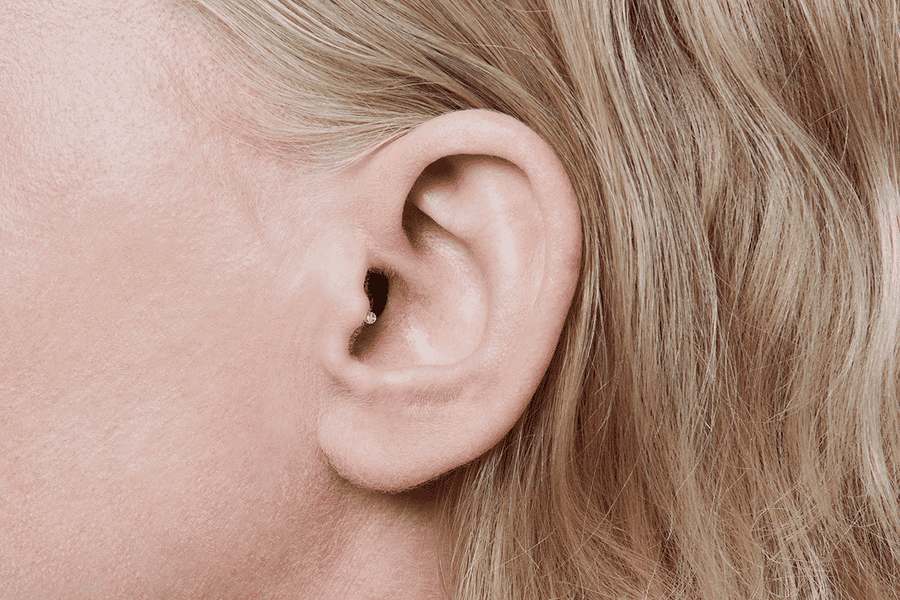
IIC hearing aids are among the smallest models available. They fit deep inside the ear canal, making them very discreet once in place. They are often preferred by people looking for a more invisible hearing aid.
A small rod remains accessible to facilitate removal of the device. Depending on the model and the situation, they may be rechargeable or battery-operated.
CIC - Completely in the channel
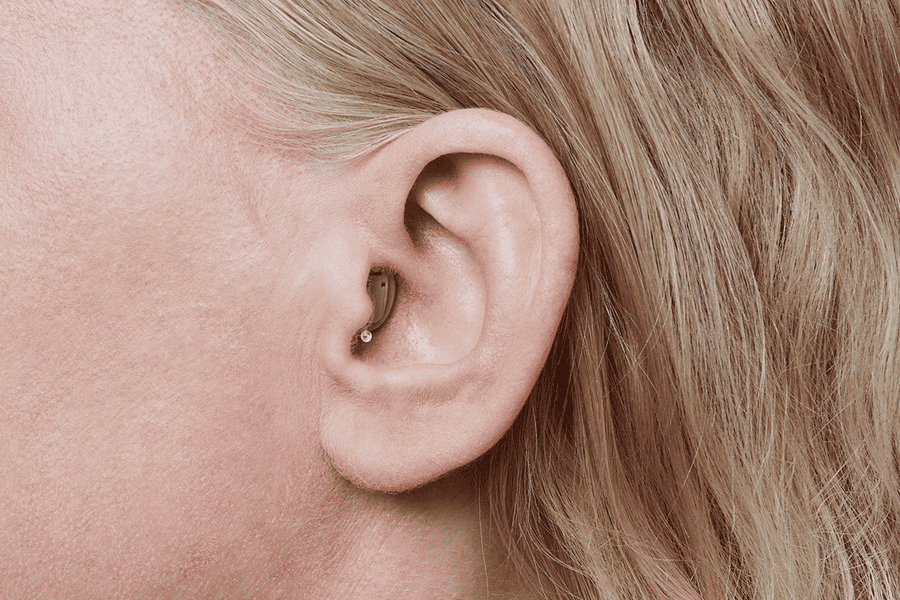
CIC hearing aids are placed entirely within the ear canal, making them very discreet once in place. They are often preferred by people looking for a more discreet hearing aid for everyday use.
Depending on the model, the outer part may be designed to blend more closely with the color of the ear or, in some cases, have an appearance more like an earphone.
ITC-Demi conque
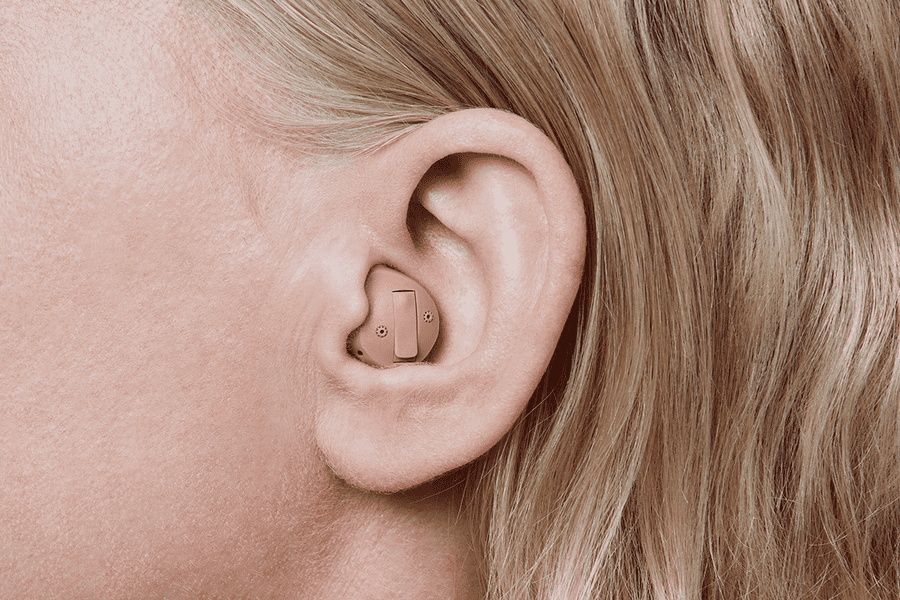
ITC hearing aids fit partly in the ear canal and partly in the ear. They offer a good balance between discretion, comfort, and ease of use. This design may appeal to people who want a discreet hearing aid while still having a little more space for certain options, depending on the model.
Depending on the model, they may be rechargeable and offer Bluetooth connectivity.
ITE - Full conch
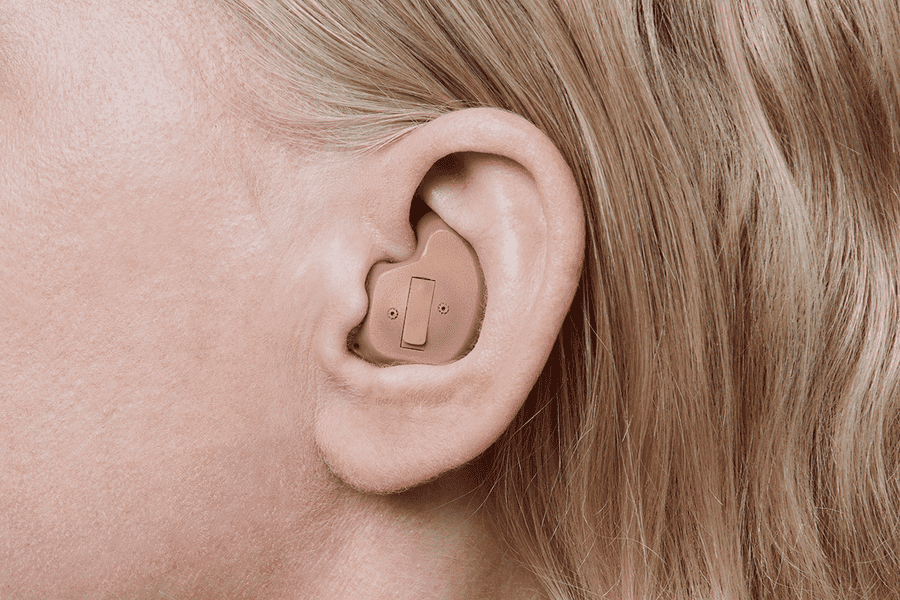
In-the-ear (ITE) hearing aids take up more space in the ear than other in-the-ear models. They are often appreciated for their ease of handling and everyday comfort. This format may suit people who want an in-the-ear hearing aid but with a slightly more manageable design.
Depending on the model, they may be rechargeable and Bluetooth compatible.
How to choose your hearing aids
The choice of hearing aids should be personalized. It depends on several factors related to your hearing, your daily life, and your preferences.
The degree of hearing loss
The type and extent of hearing loss influence the choice of hearing aids and the recommended model.
Comfort
Hearing aids should be comfortable to wear on a daily basis in order to fit well into your routine.
Discretion
Some people prefer more discreet hearing aids, while others prioritize ease of handling.
Sound quality
The right hearing aid should help to better understand conversations in different situations, especially in noisy environments.
Features
Depending on the model, some hearing aids may offer options such as Bluetooth, charging, or different settings to suit your lifestyle.
The budget
The choice must also take into account your financial situation and the possible insurance coverage.
The organizations that pay for hearing aids
Depending on your situation, there may be different coverage options available for obtaining hearing aids. Some public programs, paying organizations, or private insurance companies may offer financial assistance or partial or full coverage, depending on eligibility criteria.
At the Lamarre and Lafantaisie Hearing Clinic, we can guide you through the process and help you better understand the options that may apply to your situation.
RAMQ
Some eligible individuals may receive assistance for hearing aids through RAMQ. Criteria vary depending on the situation, and a process is usually required to confirm eligibility.
The CNESST
When hearing loss is work-related, the CNESST (Commission des normes, de l'équité, de la santé et de la sécurité du travail) can, in certain situations, intervene in the compensation process. Depending on the case and the degree of recognized hearing loss, compensation may sometimes be paid. Our team can assist you with the application process when applicable.
Other paying agencies
Depending on your situation, other funding organizations may also offer assistance for hearing aids, including Veterans Affairs Canada and Non-Insured Health Services (NIHSS). Eligibility criteria and coverage may vary on a case-by-case basis.
Private insurance
Some private insurance plans may offer coverage for hearing aids, depending on the policy. We can also deal directly with GreenShield, which simplifies the quote and claims process. Depending on the coverage and eligibility, hearing aids can sometimes be fully reimbursed.
Every situation is different. The type of coverage, eligibility criteria, and procedures can vary from person to person. We are here to support you and answer your questions.
The steps to obtain your hearing aids
1. Undergo a complete hearing test
The first step is to undergo a comprehensive hearing test to properly assess your hearing and needs. Depending on the situation, some additional steps may also be necessary, such as opening a file with the CNESST (Quebec's workplace health and safety board) or obtaining a referral to an ENT (ear, nose, and throat) doctor or another specialist.
2. Choosing the hearing aid model and technology
Once the assessment is complete, we will guide you in choosing the model and technology best suited to your hearing loss, lifestyle, and needs. A free consultation can also be arranged to explain the different hearing aid options.
3. Delivery and fitting of hearing aids
Upon delivery, the hearing aids are adjusted according to your hearing loss, comfort, and daily listening needs. This step is important to ensure optimal adaptation.
4. Adapt gradually
An adjustment period is normal after receiving hearing aids. It sometimes takes time to get used to new sounds and a new way of hearing in everyday life.
5. Carry out the necessary follow-ups
Follow-up appointments allow us to make necessary adjustments and answer your questions over time. Our team is there to support you and optimize your comfort and satisfaction.
Clear guidance before purchase
Before proceeding, we take the time to explain the applicable guarantees and answer your questions so that you can make an informed choice.
Answers to your questions about hearing aids
Do you have any questions? We're here to help.
Need help choosing your hearing aids in Boisbriand?
At Lamarre and Lafantaisie Hearing Clinic, we assist you in choosing your hearing aids in Boisbriand based on your hearing, lifestyle, budget, and needs. Whether you're looking for rechargeable hearing aids, discreet models, or improved speech understanding in noisy environments, our team is here to guide you.
We welcome patients from Boisbriand, Saint-Eustache, Blainville, Sainte-Thérèse, Rosemère, Mirabel and surrounding towns on the North Shore of Montreal.
Do you have any questions? We're here to help. Send us a message, and we'll get back to you as soon as possible.